
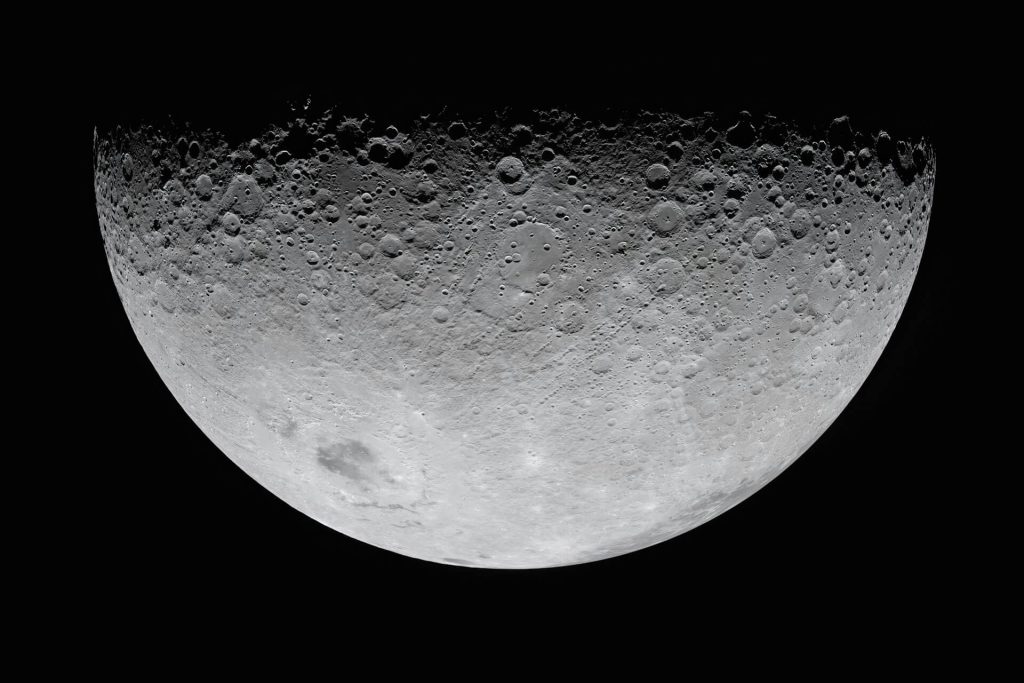
No one’s Moon Project
This summer, The Planetary Lab is hosting the No one’s Moon project as part of our There’s No Place Like Home exhibition!
What is the No one’s Moon Project?
As commercial space missions accelerate, space exploration is happening rapidly – often without public discussion or consent. No one’s Moon aims to encourage discussion about our Moon and advocate for global policies (similar to the Antarctic Treaty) that protect the Moon’s fragile environment for future generations.
- Key Aims of the Project
- The aims of the No one’s Moon interdisciplinary research project are:
- 1) To raise awareness that space exploration that could affect the Earth’s ecosystem and humanity is happening without the public’s consent.
- 2) To garner interest and support for the growth of the project and a large global funding bid.
- 3) To gain enough global support and momentum to implement legislation with policymakers that uses the Antarctic Treaty as an exemplar to protect the Moon.
- 4) To work globally with diverse organisations and communities, and universities, to educate and encourage engagement .
- 5) To foster inclusivity, break down societal barriers and celebrate difference in understanding the global cultural significance of the Moon.
Meet the Researchers
No one’s Moon brings together researchers and storytellers from the University of Exeter:
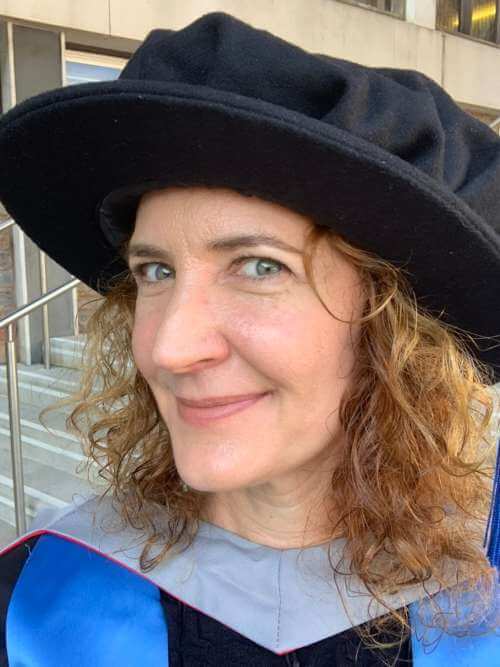
Dr Suzanne Conway (Project Founder and Manager) is a poet, writer and teacher whose research is concerned with giving a voice to the silenced, the underrepresented, and those omitted from societal conversations. Dr Conway’s research explores the complex interconnectedness between nature and humanity.
No one’s Moon stems from Dr Conway’s desire to create an inclusive movement that involves the public, artists, writers, stakeholders, academics, and policymakers, in safeguarding the moon and humanity.
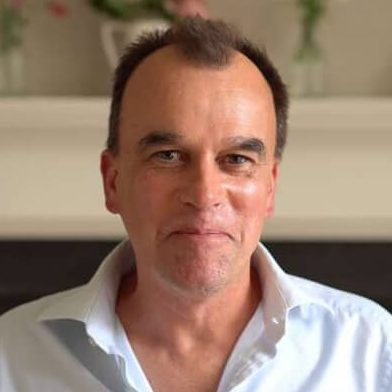
Professor Martin Siegert is a polar scientist and climate expert researching the subglacial environment of Antarctica, to understand how the ice sheet has changed in the past and how it may change in the future.
Prof. Siegert is Vice-President and Deputy Vice-Chancellor (Cornwall) at the University of Exeter.

Professor Jamie Hampson is an Associate Professor in Rock Art and Indigenous Heritage. In collaboration with Traditional Elders and Indigenous groups, he has documented hundreds of rock art sites, and has recently worked with physicists at the Large Hadron Collider at CERN to determine the mineral compositions and provenance of ancient pigments used in specific 70,000-year-old rock paintings.

Professor Nathan Mayne is Professor of Astrophysics and Planetary Climates in the Astrophysics Department. His research is the focus of the There’s No Place Like Home exhibition (having collaborated with us on our first exhibition in 2022), and explores how planetary climates evolve and how life and the planetary climate systems interact.
- Dr Arwen Nicholson is a postdoctoral astrobiologist and computational modeller investigating life-environment systems, space ethics, and why Earth remains our only home.
Join Us This August: Events & Workshops
We have an exciting lineup of talks and hands-on workshops happening at The Planetary Lab throughout the summer!
- Saturday 8th August | Space Exploration or Space Exploitation?
- Talks: Talks with astrobiologist Dr Arwen Nicholson entitled ‘Space Exploration or Space Exploitation?’.
- Workshops: Join Founder Dr Suzanne Conway for creative writing and art workshops inspired by the Moon.
- Saturday 15th August | Indigenous Beliefs & Prehistoric Skies
- Talks: Prof. Jamie Hampson presents “The anaconda in the sky: Indigenous rock art and 100,000 years of beliefs about space”, alternating with Jowan Albon’s talk, “The Moon Before History: How Prehistoric Britain Saw the Night Sky”.
- Saturday 29th August | Creative Moon Workshops
- Workshops: Another opportunity to take part in moon-inspired creative writing and art workshops with Dr Suzanne Conway.
What’s Next?
Beyond our summer exhibition, No one’s Moon is launching a podcast series on the University of Exeter’s Spotify channel, and are hosting International Observe the Moon Night events on Saturday 19th September.
Come along to the exhibition this August, get curious, and share your perspective on why the Moon matters to you!